
How Pokemon Online Store Dubai Encourages Social Learning Through Community Events and Tournaments
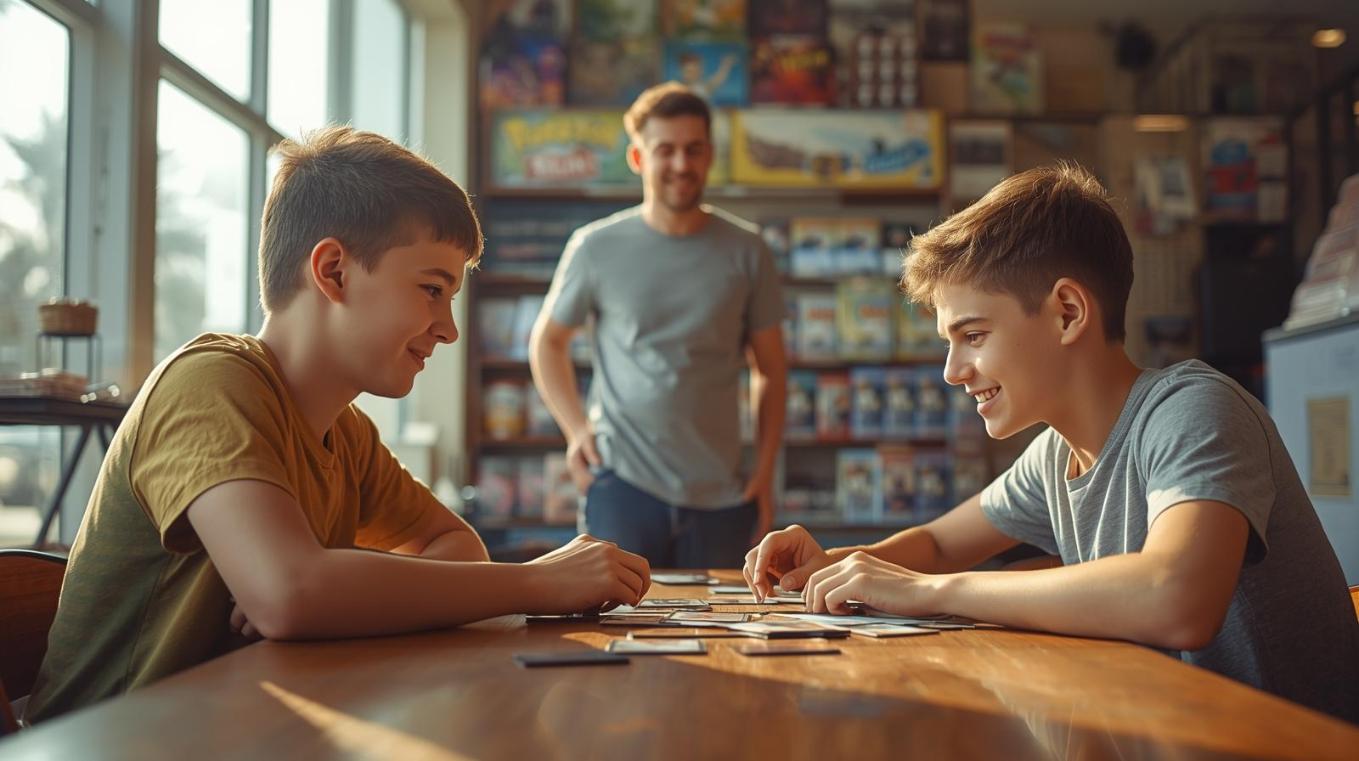
A new group of learners are celebrating the value of play as the ultimate educator around trading tables and tournament brackets. Among them is pokemon online store Dubai, retail and community center that has transformed into more than a trading card marketplace.
It has become a community space for young players and parents, as well as hobbyists, to test strategies, share ideas, and build friendships.
What makes the space special is that it is more than commerce; it is community. The store’s programming is a response to an emergent shift in the way education has been approached, to the value of experiential learning as a critical element of cognitive and social development.
Competing in Trading Card Games as an Educational Tool
Trading card tournaments certainly require more than chance. They involve deck construction based on probability and long-term thinking and require the ability to adapt one’s thinking on the fly.
Participants must analyze synergies among cards, manage the numbers, and refine their strategies throughout the tournament. All of the above activities are essential components of mathematics, reasoning, and critical thinking.
Community tournaments are held based on specific rule sets and with time constraints to help reinforce self-regulation and ethical conduct. They also help provide students with the ability to self-regulate by taking on an ethical role, such as a judge or tournament organizer.
When tournaments are held, students learn how to lose gracefully, as each round is a lesson in perseverance, and when winning, it is also important to learn how to show respect and be humble.
Practical Application of Social Learning
The social aspect of new learning from community tournaments is the most valuable. When children compete in community tournaments, it allows students from different schools or neighborhoods to interact and communicate with each other.
Everyone learns how to communicate effectively, and this is a skill not taught in schools.
Most tournaments foster an informal mentorship between younger participants and older, more experienced participants as they discuss strategies. This creates a flow of knowledge and learning from older to younger participants as well as from younger to older participants.
From the sidelines, parents of students involved in tournaments notice a growth in social confidence, patience, and communication. For many students, the first time they get to practice creating and presenting a persuasive argument is when they explain a strategy before a tournament match.
ALSO READ: Using TikTok to Engage and Educate: Strategies for Boosting Likes on Educational Content
Building Confidence Beyond the Classroom
Students are also given an opportunity to show their talents and capabilities in community tournaments outside of the restricted activities and limitations created by the formal educational system based on grades and examinations.
This system allows children to grow their self-confidence in a way that is not possible in the educational system, and it encourages them to set other goals and work to achieve them.
Furthermore, there are opportunities for leadership throughout the event organization process. Older participants might volunteer to assist with registration, explain the rules to beginners, or manage match pairings.
These types of tasks help develop organizational and collaborative skills, reinforcing lessons that go far beyond the gaming table.
A Positive Model for Contemporary Education
Dubai’s vibrant and diverse retail and hobby ecosystem is another example of how extracurricular communities can enhance and expand the scope of formal education.
The local Pokémon community in Dubai combines structured play, healthy competition, and community-building through inclusive events. This community embodies the social learning continuum in a community-led framework.
When young people come together to compete and collaborate, they develop the skills that educators value the most. This environment fosters strategy, communication, resilience, and respect.
What starts as a simple card game transforms into a developmental space for confident, socially skilled learners who are ready to navigate the world as it is meant to be.
