
Pests can cause problems in learning environments, leading to health issues, difficulty focusing, cleanliness issues, and reduced learning performance. Highly populated urban areas are particularly susceptible to pests like rodents, cockroaches, ants, and bed bugs, which can infest schools, libraries, dormitories, and learning centers. That is why modern educational institutions have increasingly opted to implement professional pest management strategies. It applies especially when they have pest control issues that necessitate a reliable NYC bed bug inspection and extermination service.
A clean and pest-free environment is more than a maintenance issue. It directly contributes to the quality of education. Learning and teaching environments have a better impact on students’ and teachers’ performance when they are safe, sanitary, and orderly. Pest management is a critical aspect of campus maintenance and student health as schools adjust to new health requirements.
How Educational Institutions are Subject to Pest Issues
The school is a very busy place, and in educational buildings, people walk a lot daily. Bed bugs may easily be found in dormitory rooms and shared housing spaces. It is due to the large amount of furniture, luggage, and fabrics that move from room to room and the close contact between rooms. Libraries can also be inviting for pests because of places that are out-of-the-way, paper supplies, and storage areas with limited use.
As a result of such risks, preventive pest management programs in schools and educational institutions can have a tremendous positive effect. That emphasizes early detection and long-term solutions instead of just short-term band-aid measures.
The Unseen Effects of Bed Bugs on Student Achievement
Bed bugs are usually found in hotels and residential buildings, but they can also be found in schools, dormitories, and study centers. Although bed bugs are not communicable diseases, they can have a large effect on mental health, emotional well-being, and academic functioning.
Bed bug infestations can cause students to lose sleep, be anxious, and stressed. A lack of sleep can make it difficult to concentrate in class, remember things, and participate in class. If not handled properly, infestation can spread rapidly throughout shared student housing.
The Role of Preventive Pest Management in Education
Preventive pest management is directed at preventing pest populations from getting out of control. It can save on costs and long-term disruption of an educational institution.
Several preventive strategies are effective:
1-Facility Inspections
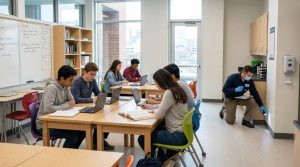 The maintenance team can act on pest infestation through proper measures. Some house triggers may attract pests. It may be some wall cracks, food residues, or pipe leakages. That’s why regular site visits are necessary.
2-Pest Management Awareness among the School Community
Everyone is responsible for managing pest infestation in a learning institution, including teachers, janitors, dormitory officers, and students.
Professional Pest Management vs. DIY Techniques
Individuals tend to opt for sprays purchased from stores or any other DIY solutions to handle the problem of pests. Such solutions may only provide temporary relief from the problem, but they do not prevent it. Pest management professionals have access to advanced equipment and techniques that are developed for effective pest management.
Such information is very important in the educational setting because plans must be made based on the schedule of the students. Professional inspection techniques are used to detect signs of bed bug activity that might not be seen during normal inspections.
Improving Healthier Learning Environments through Cleanliness
One way for the students to achieve academic success is to have a stable and well-cleaned environment. Pest management in the school premises contributes to the overall cleanliness and general health of its facility.
There are several benefits to having a pest-free learning environment:
- Enhanced pupil comfort and focus
- Lower health risks due to allergens and contamination
- Improved school safety and security of school property and facilities
- Greater trust for parents, staff, and administrators
- Less disruption due to emergency pest treatments
Preventive pest management can also serve other public health objectives by promoting public health and sanitation, maintenance, and environmental responsibility in many cases.
The Development of a Long-Term Pest Prevention Culture
The value of reliable pest prevention methods will likely continue to rise as urban populations grow and student populations become more mobile. It is also as important as the property inspection of educational institutions. Those who benefit from the learning environment will benefit from healthier and more productive communities due to the educational leadership that places these efforts first.
Better Building Maintenance Practices for Today’s Schools
In many schools today, facility management is a broad term that encompasses air quality monitoring, clean-up initiatives, and preventive maintenance systems. This new concept of campus safety and operational efficiency seamlessly integrates pest management. The cost of clean learning spaces is comparable to that of a standard learning environment.
Conclusion
In the city, bed bug inspection or extermination services are valuable, especially in educational environments where there is a high population density. A school’s ability to strengthen its learning environment for increased academic success can be achieved through a combination of prevention, education, sanitation, and professional expertise.
